SWOT analysis is one of the most versatile and useful tools used in business strategy. Short for Strengths, Weaknesses, Opportunities and Threats, SWOT Analysis provides a comprehensive framework for assessing the internal and external factors that shape the performance of a business and its potential. In this article we examine the SWOT Analyses, their definition, their guiding principles and its practical application.
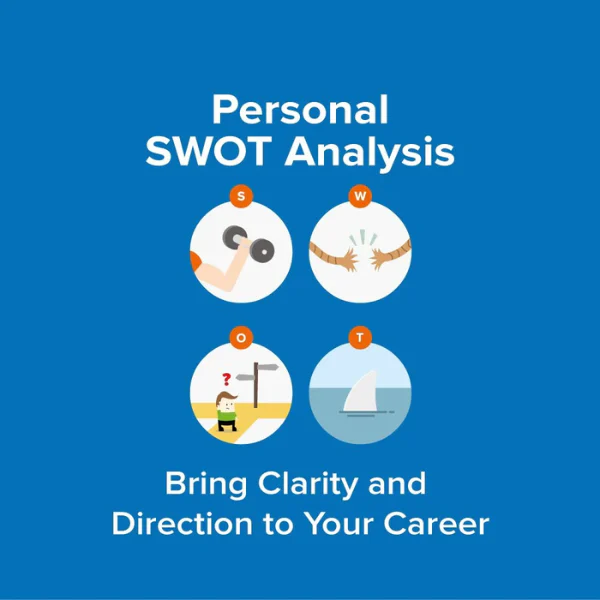
SWOT Analysis is defined
SWOT analysis can be described as a planning instrument used to aid in strategic decision-making. It is used to evaluate and identify the strengths and weaknesses within an organization as well as threats from the outside and threats to an company. These factors can be systematically assessed to gain valuable insight into an organization’s competitive position as well as its strategic direction and possible areas of improvement.
The SWOT Analysis Guide, A Strategic Roadmap
SWOT Analysis begins with a clear comprehension of its goals and the components. In the beginning, companies need to define their strengths. These are the internal resources and attributes which give them an advantage over competitors. This could be a strong reputation for the brand, new product designs, or a highly skilled workforce.
The next step is to identify the areas where an organization may be vulnerable or lacking compared to their competition. This could be because of outdated technology infrastructure, a limited market reach or inefficient internal process.
To maximise their potential, businesses should look at external factors that could be leveraged. This may include new trends in the market or shifts in consumer behavior or technological advancements that create new opportunities for business.
Finally, businesses must examine external influences or obstacles and determine if they can cause harm or hamper the growth of their company. This could include factors such as intensified competition, regulatory changes, or economic slowdowns.
The Business SWOT is a way to integrate both internal and external perspectives
SWOT analysis is an effective instrument for making strategic decisions as it permits both internal as well as external viewpoints to be considered. Through analyzing a company through multiple perspectives, organizations can gain a greater knowledge of their operational environment and set themselves up for success.
SWOT Analysis helps companies from an internal perspective identify areas where they have strengths that could be leveraged and areas of weaknesses that need improvement. Self-awareness helps organizations maximize their resources, simplifying and improving their operational efficiency.
SWOT Analysis can help businesses monitor changes in the marketplace from an outside perspective. By identifying possible opportunities, companies can actively explore new ventures, broaden their markets, or innovate new services and products. By identifying possible risks and threats businesses can develop contingency plans, mitigate risk, and safeguard the long-term viability.
Enhancing the the impact of SWOT Analysis
For organizations to maximize the benefits of SWOT analysis, they need to be more than just identifying and analysis. They must convert the insights into action. It is important to develop strategies and initiatives which capitalize on strengths, address weak points, seize chances, and mitigate threat.
SWOT Analysis also isn’t a one-time process, but a continual process that changes in line with the changing business environment. Organizations must revise and revisit their SWOT Analysis as market conditions and challenges change. This will ensure that the analysis is current and efficient in helping to guide strategic decision-making.
Conclusion: SWOT analysis empowers strategic decision making
SWOT Analysis, as a strategic instrument, is a crucial element of planning business and managing the company. It provides a framework to evaluate internal and outside elements that impact performance. Through a systematic analysis of weaknesses, strengths and opportunities and threats, an organization can gain valuable insights into its competitive position. It also helps identify strategic priorities and chart the path to sustainable growth. SWOT Analysis is a powerful tool that helps businesses to traverse the complexities of today’s marketplace. It can help unlock the potential of your business, spur forward the pace of innovation, and help achieve strategic goals.